Prepare a consistent earnings bridge, lease summary, equipment inventory and operating responsibility map. Explain material issues early with supporting records. The aim is to let a serious buyer understand what is transferable, what costs remain and which assumptions require confirmation.
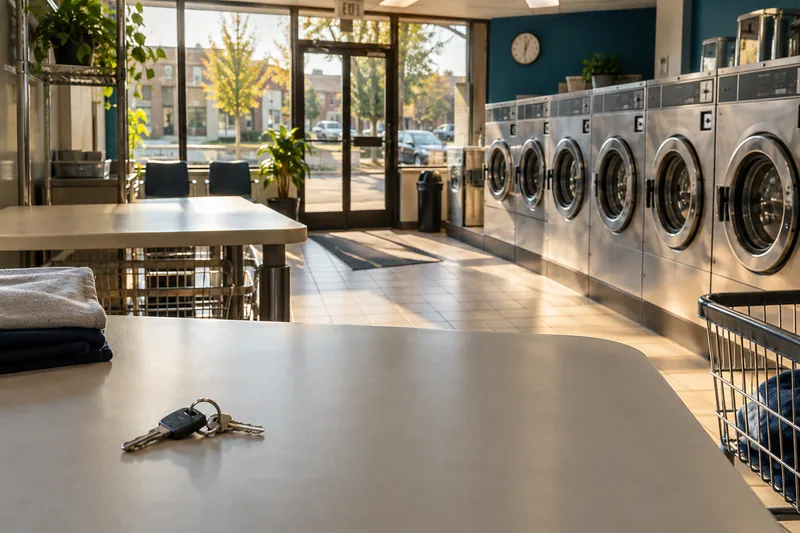
Selling a laundromat is a significant decision that requires careful planning and execution. This guide is the seller hub for Illinois Laundry Broker: process, pricing logic, preparation, and how to avoid the mistakes that shrink buyer pools. For deep exit strategy on larger sales, also read exit planning for a seven-figure sale.
What buyers (and lenders) actually buy
Sophisticated buyers are not purchasing “machines in a room.” They are purchasing verified cash flow subject to a lease and a trade area. If those three pieces are clear, marketing is easier and pricing is more defensible. If any one is muddy, expect discounts, longer time on market, or failed financing.
That is why pre-sale work focuses on documentation and risk removal — not just fresh paint. Related reads: how to value a laundromat, increase revenue before selling, and signs it is time to sell.
When Is the Right Time to Sell?
Timing can significantly impact your sale price. Consider selling when:
- The business is performing well financially
- Use an equipment-level inventory, service history and installed-cost quotes to evaluate the proposal. Track the effect on availability, repair response and customer use rather than assuming a standard revenue lift or repair saving. Retain evidence of the results a buyer will actually inherit.
- You have at least 3 years of solid financial records
- The local market is strong
- Personal circumstances align (retirement, relocation, etc.)
Step 1: Prepare Your Business for Sale
Organize Financial Records
Buyers will want to see:
- Have the transaction’s tax adviser distinguish the operating assets from qualifying real property and review the proposed allocation before closing. Rates, basis, gain character and reporting depend on the taxpayer and the assets. An exchange or seller note does not automatically defer every tax associated with selling a laundry business.
- Profit and loss statements
- Utility bills (water, gas, electric)
- Bank statements
- Equipment maintenance records
Buyers and their brokers will scrutinize your profit and loss statements carefully. Our laundromat P&L statement breakdown guide explains exactly what sophisticated buyers look for — and how sellers can present their financials to maximize perceived value.
Improve Curb Appeal
First impressions matter. Before listing:
- Deep clean the facility
- Repair any broken equipment
- Fresh paint where needed
- Update signage if worn
- Ensure parking lot and exterior are well-maintained
Address Deferred Maintenance
Buyers will discount for problems they find. Consider:
- Equipment repairs or replacements
- Plumbing or electrical issues
- HVAC maintenance
- Safety compliance items
Step 2: Determine Your Asking Price
Work with a professional broker to determine fair market value. Key factors include:
- Annual revenue and net operating income
- Equipment age and condition
- Lease terms (if renting)
- Location and demographics
- Competition in the area
Step 3: Choose the Right Broker
A specialized laundromat broker offers several advantages:
- Access to qualified buyers
- Accurate pricing expertise
- Confidential marketing
- Negotiation experience
- Transaction management
Not sure whether to use a broker or sell on your own? Our detailed comparison — laundromat broker vs. selling yourself — covers IBBA data on pricing differences, average time on market, and exactly when FSBO makes sense versus when it costs you money.
Step 4: Market Your Laundromat
Effective marketing includes:
- Confidential listing on industry websites
- Direct outreach to qualified buyers
- Professional presentation materials
- Virtual tours and detailed information packages
Illinois-specific seller issues to plan for
- Lease assignment: Many deals die on landlord consent timing. Start early if your lease requires approval.
- Sales tax / coin-op treatment: Understand how your books present vended laundry versus any taxable service lines (wash-dry-fold). Confirm current rules with your CPA and IDOR guidance — do not invent exemptions at the negotiating table.
- Entity and title: Asset sale vs. entity sale changes risk, tax, and financing. Align with counsel before you market.
- 1031 / tax timing: If deferral matters, read the 1031 guide for owners before you sign an LOI.
Seller timeline (realistic)
Well-prepared Illinois stores often need weeks of packaging before market and then a diligence window once under contract. “List Friday, close Monday” is rare for financed deals. For duration expectations, see how long it takes to sell a laundromat in Illinois and how to sell faster without torching price.
Step 5: Negotiate and Close
Reviewing Offers
Consider all aspects of an offer:
- Purchase price
- Down payment amount
- Financing terms (if seller financing)
- Due diligence period
- Closing timeline
Due Diligence
Be prepared for buyers to:
- Verify financial information
- Inspect equipment
- Review lease terms
- Check utility records
Closing the Deal
The closing process typically includes:
- Final purchase agreement
- Lease assignment (if applicable)
- Equipment transfer
- Training period
- Fund transfer
Common Mistakes to Avoid
- Overpricing: Unrealistic expectations can delay or prevent sale
- Poor record keeping: Incomplete financials scare buyers away
- Announcing too early: Keep the sale confidential to protect business
- Ignoring maintenance: Deferred maintenance reduces value
- Going it alone: Professional help maximizes value and minimizes stress
Make the decision from the actual operating records and transaction terms. Record the assumptions, identify the supporting documents and test the effect of a less favorable outcome. Keep an illustrative possibility separate from a documented result or a promise about what a buyer or seller will achieve.
Use a multiple only after identifying the income measure, the included assets and the comparison period. National reported sold-business benchmarks are useful context, but they do not establish a city-specific price or real-estate cap rate. Compare the underlying earnings definitions before drawing a conclusion.
Frequently Asked Questions
How do I determine my laundromat's asking price?
The defensible price is the one supported by verified earnings, transferable premises rights and the equipment obligations a buyer will inherit. Keep business value separate from real estate and explain capital needs without counting the same expense twice. A headline multiple is a starting question, not an appraisal.
How long does it take to sell a laundromat in Illinois?
How can I get the highest price when selling my laundromat?
Prepare before listing: organize three or more years of clean records, fix broken equipment and deferred maintenance, improve the store's appearance, stabilize the lease, and document revenue growth. Because price is a multiple of earnings, small verifiable improvements to net income translate into a much larger increase in sale price. Premium exits often start two to three years ahead.
Should I keep the sale of my laundromat confidential?
Yes. Announcing a sale too early can unsettle customers, employees, and your landlord. A broker markets the store confidentially — screening buyers under confidentiality agreements before revealing sensitive details — so the business keeps running normally while it's on the market.
Make the business easy to understand before going to market
Keep marketing and sensitive diligence materials separate. Start with a seller-blind description and release identifying records through an agreed qualification and confidentiality process. Review the full offer and the buyer’s funding plan before treating an attractive headline price as a likely closing outcome.
A preparation sequence you can use now
Start with a private document inventory. Mark which records exist, which periods are missing and which figures still need explanation. Then review premises rights and near-term equipment decisions so the marketing narrative does not outpace the evidence.
Prepare a seller-blind description and a separate controlled diligence package. Decide who may authorize disclosure and how buyer funding and operating fit will be assessed. Keep prospective buyer questions in a log rather than sending inconsistent versions of sensitive information.
As proposals arrive, compare the complete structure and unresolved conditions. Document the treatment of cash, seller debt, deposits, training, consents and continuing exposure. Your decision should be based on what you are likely to receive and remain responsible for, not only the headline price.
Sources and review notes
Reviewed October 15, 2026. Primary references support the specific topics below. Practical checklists and explicitly labeled scenarios are our editorial analysis, not reported market outcomes.
- IRS: Form 8594, asset acquisition statement
Buyer/seller reporting for applicable asset acquisitions and purchase-price allocation. - SBA: 7(a) loan program
Program purposes, eligibility and the individual 7(a) loan maximum. - BizBuySell: reported sold laundromat valuation benchmarks, 2021–2025
National reported transactions; asking and sold figures are separate. These are historical category benchmarks, not Illinois-specific comparable sales.
Use this material to prepare questions and documents. A specific transaction needs its own legal, tax, lending and equipment review.
Thinking about selling your laundromat?
Start with a private conversation about your records, lease, equipment and timing. You do not need to have a price in mind.
Discuss your next step