Write a concise acquisition brief with geography, funding capacity, operating role, premises preferences and equipment tolerance. A clear brief helps determine whether a private conversation is a real fit without distributing sensitive seller details unnecessarily.
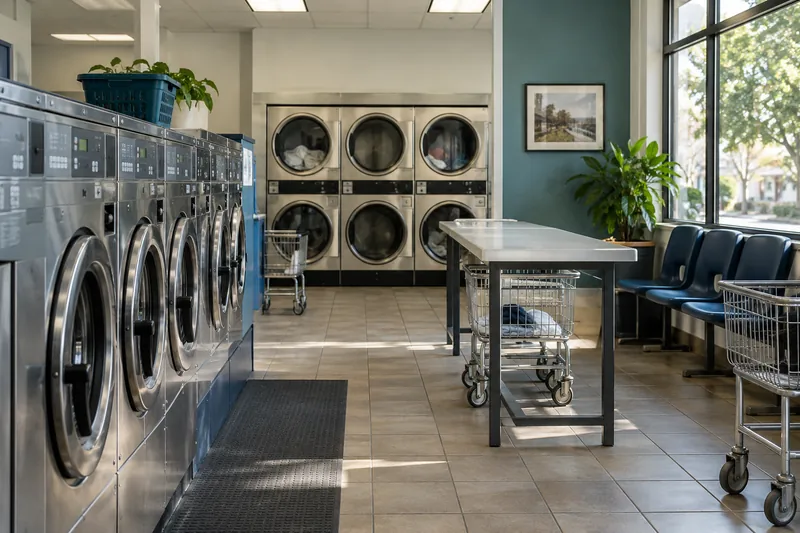
Type "laundromat for sale near me" into a search engine and you'll get the same handful of national marketplaces showing the same stores that have been sitting there for months. There's a reason those stores are still available, and there's a reason the genuinely good ones aren't on the list: the best laundromat deals in Illinois are often sold quietly, off-market, before they're ever advertised to the public. Understanding why — and how to get access to those deals — is one of the biggest advantages a serious buyer can build.
This guide explains where off-market laundromats actually surface, how brokers source "pocket listings," and, most importantly, how you can position yourself to see the best stores first. It builds on our broader 2026 Illinois market report, which covers pricing and the public side of the market.
Why the Best Deals Never Hit the Listing Sites
To find off-market deals, you first have to understand the seller's psychology — because their reasons for staying quiet are exactly what create the opportunity.
Sellers Value Discretion
A public listing tells the world the business is for sale — and that word travels to the people the owner least wants to worry: customers who fear the store will change, employees who fear for their jobs, and the landlord who now knows the tenant is leaving. Many owners would rather sell quietly to a qualified buyer than broadcast their exit. Confidentiality isn't a nice-to-have for them; it's the whole reason they haven't listed.
Selling Publicly Is a Hassle
Listing a business means fielding tire-kickers, unqualified inquiries, and lowball offers. A busy owner — often the same motivated retiree we describe throughout this site — would frequently prefer a broker to bring them one or two serious, vetted buyers than to run a public gauntlet.
The Good Ones Get Placed First
Here's the key mechanic: when a strong store becomes available, a broker with an active buyer list often places it directly with a qualified, ready buyer before it's ever publicly marketed. The store sells without an ad ever running. The natural consequence is that public listings skew toward the stores that didn't sell quietly — which is precisely why the online pickings can feel thin. The desirable inventory is moving through a channel you can only access if you're in it.
Where Off-Market Laundromats Actually Surface
Off-market deals aren't found by searching harder; they're found by being connected. The real channels:
- Broker networks. A broker who specializes in laundromats is in ongoing contact with owners across the state, many of whom are "someday" sellers not yet ready to list. This relationship pipeline is the single richest source of off-market deals.
- Direct owner outreach. Identifying stores you'd want to own and contacting the owners directly, respectfully, and professionally can surface sellers who hadn't actively decided to sell but are open to the right offer. Done well, this is powerful; done clumsily, it annoys people — which is part of why buyers often let a broker handle it.
- Industry insiders. Equipment distributors, laundry route operators, coin/vending service companies, and repair technicians are inside dozens of stores and often know who's tiring of the business before anyone else does. These relationships are gold.
- Word of mouth and local presence. Being known in the local laundromat community — through a broker, an association, or your own network — means opportunities find you.
Notice the pattern: every one of these channels runs on relationships and industry access, not on public search. That's exactly why a buyer working alone from listing sites is fishing in the shallowest part of the pond.
How a Broker's Network Sources Pocket Listings
A "pocket listing" is a store a broker knows is available (or quietly becoming available) that isn't publicly marketed. Here's how that pipeline actually works from the inside:
Ongoing Owner Relationships
A specialist broker stays in touch with owners across their market for years. Some are ready to sell now; many are 6, 12, or 24 months out. When one decides it's time, the broker already knows the store and the owner — and the first thing they do is check their buyer list for a match. If they find one, the deal can be quietly arranged before any public listing is prepared.
Matching, Not Advertising
The broker's job on the buy side is to match a specific vetted buyer to a specific store. Because they know both sides well — the buyer's budget and goals, the store's numbers and situation — they can make an introduction that's likely to close, which is exactly what a quiet-selling owner wants. This is the essence of the value a broker adds to a buyer: access to inventory you literally cannot see on your own, plus the ability to represent your interests through the deal.
Confidentiality Protects Everyone
Off-market deals run on confidentiality agreements that protect the seller's discretion while giving the serious buyer real information. This structure is why owners trust brokers with quiet sales in the first place — and why being a credible, discreet buyer is what earns you access.
Getting on a Buyer List and Vetting a Deal Fast
How to Get Shown Off-Market Stores
The path to seeing off-market deals first is straightforward, and it comes down to being the buyer a broker wants to call:
- Connect with a laundromat-specialist broker and get on their buyer list.
- Define exactly what you want — budget, region (browse our Illinois cities directory to focus), store size, and whether you want a hands-on turnaround or a semi-absentee turnkey store. A clear brief makes you easy to match.
- Demonstrate you're serious and ready. Financing pre-qualification (see the 2026 SBA loan guide), proof of funds for your down payment, and a professional, responsive attitude tell a broker you can actually close. Ready buyers get the first call, because the broker knows they won't waste a quiet seller's time.
Move Fast — But Never Skip Diligence
Off-market opportunities reward speed: because few or no other buyers are competing, the buyer who responds quickly and credibly often wins. But moving fast is not the same as moving carelessly. Even on a great off-market store, you still run full due diligence, still verify the revenue, and still check the lease and rent ratio. The advantage of an off-market deal is access and reduced competition — not a license to skip the homework. The best buyers pair speed of decision with rigor of verification, and a broker helps you do both at once.
Want to See Laundromats Before They're Listed?
Most of the best laundromat deals I handle in Illinois are placed with buyers on my list before they're ever advertised. If you're a serious buyer, the smartest move is to tell me exactly what you're looking for and get on that list — so when the right store comes available, you're the first call, not the last to find out.
Frequently Asked Questions
How do you find a laundromat for sale that isn't listed online?
Through relationships, not search bars. The most effective methods are working with a broker who has an active owner network, respectful direct outreach to owners of stores you'd want, tapping industry contacts like equipment distributors, and getting on a broker's buyer list so you're matched before deals are advertised.
Why do the best laundromat deals never get publicly listed?
Many owners want a quiet sale to avoid unsettling customers, staff, and landlords, and to skip public-marketing hassle. Strong stores are often placed directly with qualified buyers before any ad runs, so the most desirable inventory frequently sells off-market — leaving public listings skewed toward what didn't sell quietly.
How do I get on a laundromat buyer list?
Contact a laundromat-specialist broker, clearly define your budget, region, size, and management preference, and show you're financially ready (pre-qualification, proof of funds). Serious, easy-to-match buyers get shown off-market opportunities first because the broker knows they can act quickly.
Is buying off-market riskier than buying a listed store?
No — provided you do the same due diligence. Off-market simply means less competition and earlier access; it doesn't change your obligation to verify revenue, inspect equipment, and review the lease. The risk comes only from skipping those steps because a deal feels exclusive or urgent.
Do I pay more or less for an off-market laundromat?
It varies, but reduced buyer competition can work in your favor on price and terms, and a quiet-selling owner often values a smooth, certain close over squeezing the last dollar. The bigger advantage is usually access — the chance to buy a strong store that never reaches a bidding pool at all.
Define the search and respect confidentiality
Treat an off-market opportunity with the same diligence as an advertised business. Confirm authority to share information, obtain independent financial support and document material terms. The absence of a public listing is not evidence of a discount, an exclusive relationship or a better-quality business.
Sources and review notes
Reviewed October 15, 2026. Primary references support the specific topics below. Practical checklists and explicitly labeled scenarios are our editorial analysis, not reported market outcomes.
- U.S. Census Bureau: 2020–2024 ACS summary-file data
B25003 tenure, B25024 units in structure and B25034 year built. City averages do not measure in-unit laundry or a store trade area. - U.S. Census Bureau: Illinois incorporated-place population estimates
Vintage 2024 estimates; population date July 1, 2024. These are distinct from ACS period estimates. - BizBuySell: reported sold laundromat valuation benchmarks, 2021–2025
National reported transactions; asking and sold figures are separate. These are historical category benchmarks, not Illinois-specific comparable sales.
Use this material to prepare questions and documents. A specific transaction needs its own legal, tax, lending and equipment review.
Thinking about selling your laundromat?
Start with a private conversation about your records, lease, equipment and timing. You do not need to have a price in mind.
Discuss your next step