Use the Chicago city profile for housing context, then investigate the actual service area on foot and by the transport customers use. Check apartment laundry access, loading convenience, visibility, nearby competing machines and the reliability of posted hours. Citywide renter counts cannot select a block.
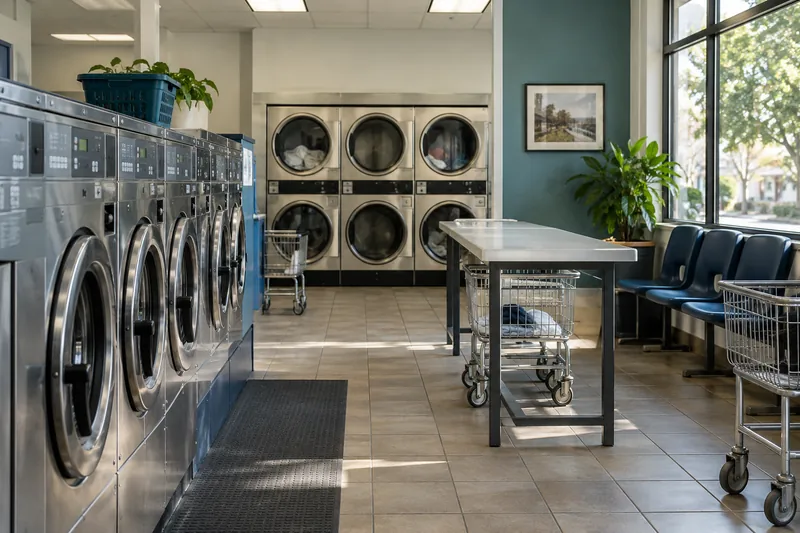
If you're searching for a laundromat for sale in Chicago, you're entering one of the most dynamic and competitive urban laundromat markets in the Midwest. Chicago's size, density, diversity of neighborhoods, and high renter rate create extraordinary laundromat demand — but they also create significant variation in opportunity quality across the city's 77 official neighborhoods. Buying the wrong Chicago laundromat at the wrong price in the wrong neighborhood is an expensive mistake. This guide helps you avoid it.
Evaluate the full occupancy obligation using the signed lease, amendments and additional-rent history. Include known escalations and repair responsibilities, then test the store’s cash flow after planned labor and financing. No universal rent ratio makes an uncertain assignment or renewal right acceptable.
Which Chicago Neighborhoods Have the Highest Laundromat Demand
Laundromat demand is driven by three primary neighborhood characteristics: renter rate, household income range, and residential density. High-performing Chicago laundromat neighborhoods excel on all three metrics simultaneously.
North Side High-Demand Neighborhoods
Measure consumption from the actual billing periods and installed equipment specifications. Verify billing units, wash formulas, non-vend use, fixed charges and the applicable tariff. A generic savings percentage or gallons-per-cycle assumption cannot establish this store’s expense, revenue or upgrade payback.
Wicker Park and Bucktown have strong renter populations but higher average incomes and newer building stock, which means higher in-unit laundry penetration — tempering laundromat demand relative to their density. Price expectations in these neighborhoods are also higher, compressing cap rates.
West Side High-Demand Neighborhoods
Buyers considering West Side Chicago neighborhoods should factor in: slightly higher operating costs for security infrastructure, insurance, and facility maintenance; the critical importance of facility condition and cleanliness as a competitive differentiator; and the premium that safe, well-lit, well-maintained stores command over neglected competitors in these markets.
South Side High-Demand Neighborhoods
The South Side of Chicago contains a massive laundromat market that is often overlooked by buyers who don't know these neighborhoods. Bridgeport, Woodlawn, Chatham, South Shore, and Roseland all have strong structural laundromat demand. Bridgeport benefits from a mixed demographic with strong community identity and relatively stable population. Woodlawn and South Shore are experiencing ongoing development investment that is improving neighborhood commercial infrastructure while maintaining renter-dominant demographics.
Distinguish advertised asking terms from completed reported transactions. Review the national historical benchmark in the valuation guide, then assess the particular lease, documentation, labor requirements and deferred equipment spending. The price of another store cannot be applied without those differences.
Neighborhoods to Approach Cautiously
Use a dated Census housing profile for local context and then verify the particular trade area. Population and renter estimates describe a geography; they do not establish laundry access, available inventory, customer spending or a store’s investment return. The city directory links the source-backed profiles used on this site.
How to Evaluate a Chicago Location Before Signing Anything
Beyond neighborhood selection, the specific location within a neighborhood is critically important for a Chicago laundromat acquisition. Here's a systematic approach to pre-signing location evaluation.
Foot Traffic and Visibility Analysis
Visit the location at multiple times throughout the week — morning, afternoon, evening, and weekend. Count pedestrian traffic, observe the types of customers in the surrounding area, and assess visibility from the street. A laundromat on a high-traffic corner with a large street-level window is fundamentally different from the same business tucked in a strip mall courtyard with poor street presence. Chicago customers, particularly in high-density neighborhoods, often decide to use a laundromat opportunistically as they pass by — visibility is a real revenue driver.
Parking and Transit Access
Many Chicago laundromat customers transport laundry by car, bicycle, or cart. Assess parking availability (on-street and lot), proximity to CTA bus or train routes, and accessibility for customers carrying heavy laundry. A location near a bus stop on a major street typically outperforms a comparable location without transit access. For the carrying-heavy-bags reality of laundromat visits, even a half-block difference in proximity to parking can matter.
Direct Competition Assessment
Map every laundromat within a one-mile radius. For each competitor, assess facility quality, machine count and type, pricing, and hours. In Chicago's dense neighborhoods, a well-run laundromat can maintain strong volumes even with nearby competition — but a new, modern, card-based competitor opening within two blocks can significantly impact an older coin-only store. Our analysis of neighborhood demographics and laundromat profitability explores these competitive dynamics in depth.
Building Condition and Infrastructure
Chicago's older building stock presents specific infrastructure considerations for laundromat buyers. Assess the plumbing capacity (Chicago laundromats run high water volumes — adequate drain capacity matters), electrical service (commercial laundromat equipment requires substantial amperage), and building structural condition. Request utility bills for the past 24 months and verify that the current utility infrastructure supports continued operation at scale.
Understanding Cook County Zoning and Lease Considerations
Chicago's regulatory environment is more complex than suburban or downstate Illinois markets. Buyers must understand several Cook County and City of Chicago-specific considerations before completing any transaction.
Chicago Business Licensing
Chicago laundromats require a City of Chicago Business License (specifically, a Retail Food Establishment license if vending machines are present, plus a general business license). Verify that the seller holds current, valid licenses — and confirm there are no outstanding violations with the Chicago Department of Business Affairs and Consumer Protection. License issues can delay or complicate closings. Our laundromat due diligence checklist covers license verification as a priority item.
Cook County Property Tax Environment
Cook County has one of the highest property tax rates in the nation, and commercial property is assessed at a higher rate than residential. As a commercial tenant, you're typically not directly responsible for property taxes (that's the landlord's obligation), but property tax increases directly drive rent escalation at lease renewal. Before signing a lease assignment or assuming a lease, analyze the building's property tax assessment history and factor expected tax-driven rent increases into your operating model.
Lease Assignment in Chicago Commercial Markets
Lease assignment — transferring the seller's existing lease to your name — is one of the most critical and potentially problematic steps in any Chicago laundromat acquisition. Chicago commercial landlords have significant leverage, and many leases contain provisions requiring landlord consent to assignment, which some landlords use to renegotiate terms at the transaction's most vulnerable moment. Have an experienced commercial real estate attorney review the lease assignment provisions before you're deep in the deal, not after. Our comprehensive guide on laundromat lease agreements explains the specific provisions to scrutinize.
Chicago Municipal Water and Sewer
Chicago Municipal Water is generally reliable and competitively priced relative to suburban systems, but Chicago's water billing structure matters for revenue verification. Chicago bills water based on meter size and usage — accessing the seller's Chicago water billing history is a legitimate and important verification step. Unusual water usage patterns relative to claimed revenue require explanation.
Working With a Chicago Laundromat Broker vs. Going It Alone
The decision to work with a Chicago laundromat broker versus pursuing acquisitions independently is particularly important in Chicago's complex market.
What a Chicago Laundromat Broker Brings
A broker specializing in Chicago laundromat transactions provides advantages that are difficult to replicate independently: access to off-market listings and seller relationships that never appear on BizBuySell or LoopNet, deep neighborhood-level knowledge of which specific blocks and corridors generate strong laundromat volumes, verified comparable transaction data for accurate valuation, established Chicago-area SBA lender relationships, and experience navigating Cook County regulatory requirements and landlord dynamics.
In Chicago's competitive laundromat market, where quality listings are actively pursued by multiple qualified buyers, broker-represented buyers often get early access to opportunities before they hit public platforms — a meaningful advantage in a market where the best deals go quickly. Learn more about how our buyer representation services work in the Chicago market.
The Real Cost of Going It Alone in Chicago
Build the forecast from documented receipts, contracts and operating costs, with a clearly labeled base case and downside case. Deduct replacement labor, sustainable capital needs and scheduled financing when assessing owner cash. An industry headline cannot substitute for the store’s own records or justify an unverified growth assumption.
Frequently Asked Questions: Buying a Chicago Laundromat
How much does a laundromat cost in Chicago?
What Chicago neighborhoods are best for laundromat businesses?
Rogers Park, Uptown, Edgewater, Logan Square, Pilsen, Little Village, Humboldt Park, Austin, Bridgeport, South Shore, and Chatham consistently rank among Chicago's strongest laundromat demand neighborhoods. These areas combine high renter rates, appropriate household income levels, and dense residential populations that drive laundromat usage.
Are Chicago laundromats a good investment?
Chicago laundromats can be excellent investments. Chicago's dense urban renter population provides strong, durable laundromat demand. Well-located, well-managed Chicago stores generate among the highest per-machine revenues in Illinois. The key is disciplined acquisition analysis and location selection — not every Chicago listing represents good value at the asking price.
What do I need to buy a laundromat in Chicago?
You need: verified business financials (tax returns, utility bills), a commercial real estate attorney familiar with Chicago lease assignments, SBA or conventional financing pre-qualification, a home inspector or equipment specialist for equipment condition assessment, and ideally a broker relationship for market access and transaction support. Chicago's regulatory environment adds license and compliance review steps not present in suburban markets.
How do I find laundromats for sale in Chicago?
Public listing platforms (BizBuySell, BizQuest) list some Chicago laundromats. However, many quality Chicago laundromat listings are handled confidentially through brokers and never appear on public platforms. Working with a specialized Chicago laundromat broker is the most reliable way to access the full range of available opportunities, including off-market deals.
What are common pitfalls when buying a Chicago laundromat?
Have the transaction’s tax adviser distinguish the operating assets from qualifying real property and review the proposed allocation before closing. Rates, basis, gain character and reporting depend on the taxpayer and the assets. An exchange or seller note does not automatically defer every tax associated with selling a laundry business.
Ready to Find Your Chicago Laundromat?
Illinois Laundry Broker has deep experience in the Chicago laundromat market — neighborhood knowledge, verified listings, and transaction support from search through closing.
Start Your Chicago SearchChicago Is a Premium Market — Approach It That Way
The Chicago laundromat market offers genuinely exceptional opportunities for informed buyers. The city's structural laundromat demand — driven by its high renter rate, diverse neighborhoods, and large working-class population — is durable and well-established. A well-selected laundromat for sale in Chicago can deliver returns that outperform comparable suburban or downstate investments on an absolute basis, even if cap rates are somewhat compressed.
But Chicago's market complexity — neighborhood-level dynamics, Cook County regulatory considerations, competitive lease environment, and sophisticated seller pool — demands an equally sophisticated buyer approach. The difference between winning a great Chicago deal and overpaying for a problematic one often comes down to neighborhood knowledge, independent revenue verification, and lease due diligence.
If you're serious about finding a quality Chicago laundromat, connect with Illinois Laundry Broker today. We have the neighborhood knowledge, seller relationships, and transaction expertise to help you navigate Chicago's market successfully.
Word count: 2,754
Compare Chicago corridors at store scale
Review the lease, operating activity and proposed equipment work with the appropriate city and property advisers. Separate the operating-business price from any building value. A well-known neighborhood name or a busy retail corridor is not a substitute for verified receipts and viable occupancy economics.
Sources and review notes
Reviewed October 15, 2026. Primary references support the specific topics below. Practical checklists and explicitly labeled scenarios are our editorial analysis, not reported market outcomes.
- U.S. Census Bureau: 2020–2024 ACS summary-file data
B25003 tenure, B25024 units in structure and B25034 year built. City averages do not measure in-unit laundry or a store trade area. - U.S. Census Bureau: Illinois incorporated-place population estimates
Vintage 2024 estimates; population date July 1, 2024. These are distinct from ACS period estimates. - BizBuySell: reported sold laundromat valuation benchmarks, 2021–2025
National reported transactions; asking and sold figures are separate. These are historical category benchmarks, not Illinois-specific comparable sales.
Use this material to prepare questions and documents. A specific transaction needs its own legal, tax, lending and equipment review.
Thinking about selling your laundromat?
Start with a private conversation about your records, lease, equipment and timing. You do not need to have a price in mind.
Discuss your next step