Connect each proposed adjustment to evidence: an equipment quote, an expiring lease right, a financial reconciliation or a required working-capital amount. Avoid applying both a purchase-price deduction and an earnings reduction to the same issue without explaining the distinct effects.
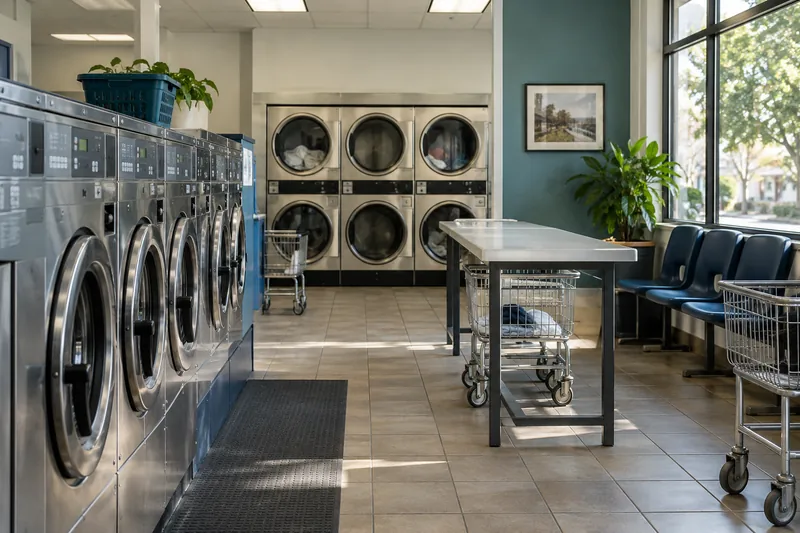
Buying a laundromat in Illinois is one of the most rewarding business investments you can make — but only if you don't overpay. Whether you're eyeing a coin-operated storefront in Rockford or a card-based facility in a Chicago suburb, knowing how to negotiate the purchase price can mean the difference between a deal that generates strong cash flow from day one and one that keeps you in the red for years. This guide gives you the negotiation playbook that experienced Illinois laundromat buyers use to cut asking prices, uncover hidden liabilities, and lock in terms that protect their investment from the start.
You'll learn how to evaluate any asking price before you make an offer, which negotiation tactics actually move the needle, the red flags that give you powerful leverage, and how to structure financing and final terms to walk away with the best possible deal on an Illinois laundromat business for sale.
What Is a Laundromat Really Worth? How to Evaluate Asking Price Before You Negotiate in Illinois
Use a multiple only after identifying the income measure, the included assets and the comparison period. National reported sold-business benchmarks are useful context, but they do not establish a city-specific price or real-estate cap rate. Compare the underlying earnings definitions before drawing a conclusion.
How to Calculate SDE for a Laundromat
Seller's Discretionary Earnings represent the true economic benefit to a working owner. For a step-by-step walkthrough of the SDE calculation process — including the 6-step add-back method and common seller manipulations to watch for — see our guide to reading a laundromat P&L statement. To calculate it, start with net income from the tax return, then add back:
- Owner's salary and benefits
- Depreciation and amortization
- One-time or non-recurring expenses
- Personal expenses run through the business
- Interest expense on existing debt
The defensible price is the one supported by verified earnings, transferable premises rights and the equipment obligations a buyer will inherit. Keep business value separate from real estate and explain capital needs without counting the same expense twice. A headline multiple is a starting question, not an appraisal.
Verifying Revenue Through Water Usage Analysis
Measure consumption from the actual billing periods and installed equipment specifications. Verify billing units, wash formulas, non-vend use, fixed charges and the applicable tariff. A generic savings percentage or gallons-per-cycle assumption cannot establish this store’s expense, revenue or upgrade payback.
Comparable Sales and Cap Rate Analysis
| Decision | Evidence to request | How to use it |
|---|---|---|
| Operating performance | Same-period receipts, expenses and reconciliations | Separate reported results from projections and one-time activity. |
| Transfer obligations | Executed agreements, payoff statements and consent requirements | Identify the work and cash obligations that remain after closing. |
| Downside case | Written assumptions, quotes and a cash-flow schedule | Test liquidity and owner workload before relying on an upside case. |
Proven Negotiation Tactics Illinois Laundromat Buyers Use to Cut the Purchase Price Significantly
The asking price is never the final price. Sellers price high expecting negotiation, and experienced buyers know exactly which levers to pull. Here are the tactics that consistently move the needle on laundromat deals in Illinois.
Start With a Lower But Defensible Offer
Use Contingencies Strategically
Include contingencies in your offer that give you room to re-negotiate after due diligence. Standard contingencies include:
- Financial verification contingency: Allows you to renegotiate or withdraw if financials don't verify
- Equipment inspection contingency: Opens price discussion if machines need immediate replacement
- Lease assignment contingency: Protects you if the landlord won't consent to favorable terms
- Financing contingency: Standard protection if your SBA loan is not approved as structured
Ask for Seller Financing as a Negotiating Tool
Make the decision from the actual operating records and transaction terms. Record the assumptions, identify the supporting documents and test the effect of a less favorable outcome. Keep an illustrative possibility separate from a documented result or a promise about what a buyer or seller will achieve.
Request a Training and Transition Period
For an SBA-backed acquisition, confirm the current program rules and the lender’s written conditions for this borrower and transaction. The individual loan maximum, combined borrowing policy, required equity and treatment of seller debt are distinct questions. A lender must approve the complete uses-of-funds and repayment structure.
Hidden Costs and Red Flags That Give You Powerful Leverage When Buying a Laundromat in Illinois
One of the most powerful positions in any negotiation is discovering problems the seller hasn't fully disclosed. A thorough inspection of the business — often called due diligence — routinely uncovers issues that justify significant price reductions. Learn what to look for, and you'll rarely pay asking price again.
Equipment Age and Replacement Costs
Use an equipment-level inventory, service history and installed-cost quotes to evaluate the proposal. Track the effect on availability, repair response and customer use rather than assuming a standard revenue lift or repair saving. Retain evidence of the results a buyer will actually inherit.
Deferred Maintenance and Facility Condition
Walk the facility with fresh eyes. Signs of deferred maintenance — peeling paint, broken dryers still in service, outdated plumbing, inadequate ventilation, or HVAC issues — all translate directly into dollars you'll need to spend. Document everything. Each identified issue becomes a line item in your renegotiation conversation.
Lease Red Flags That Can Tank Your Investment
Evaluate the full occupancy obligation using the signed lease, amendments and additional-rent history. Include known escalations and repair responsibilities, then test the store’s cash flow after planned labor and financing. No universal rent ratio makes an uncertain assignment or renewal right acceptable.
Utility Cost Anomalies
How to Lock In the Best Deal: Financing, Utility Costs, and Final Negotiation Tips for Illinois Laundromat Buyers
Once you've established your valuation, surfaced the red flags, and made your initial offer, the final phase of negotiation is about structuring the deal in a way that protects your cash flow, satisfies your lender, and gives the seller enough to say yes.
Structure Your SBA Loan to Maximize Negotiating Position
Negotiate Non-Price Terms That Have Real Value
Sometimes the seller won't budge on price but will agree to valuable concessions that effectively lower your cost of ownership:
- Seller covers deferred maintenance items before closing
- Purchase includes additional equipment, supplies, or goodwill items
- Seller agrees to a non-compete clause covering a specific radius and time period
- Seller pays a portion of closing costs
Know When to Walk Away
The best negotiating tool of all is genuine willingness to walk away. If the numbers don't work at any price the seller is willing to accept, the deal isn't the right one. The Illinois laundromat market regularly brings new listings to market — especially in the Chicago metro, Rockford, Peoria, and Springfield areas. Patience is a strategy. A broker with active Illinois market exposure, like the team at Illinois Laundry Broker, can help you identify when a deal truly makes sense versus when you're being pressured into overpaying.
Final Checklist Before Signing
- Confirm purchase price aligns with independently verified SDE and comparable sales
- Review all contingencies with your attorney before signing
- Confirm lease assignment or new lease terms are secured
- Verify all equipment is operational at closing walk-through
- Confirm utility accounts will transfer with no interruption
- Ensure seller's non-compete is documented in the purchase agreement
Frequently Asked Questions: Negotiating a Laundromat Purchase in Illinois
How much below asking price can I negotiate for a laundromat in Illinois?
What is a fair multiple to pay for a laundromat in Illinois?
Can I use an SBA loan to buy a laundromat in Illinois?
How long does it take to negotiate and close a laundromat purchase in Illinois?
What are the most common reasons laundromat deals fall through in Illinois?
The most common deal-killers include: financials that don't verify during due diligence, a landlord who won't assign the lease on acceptable terms, SBA loan denial due to insufficient collateral or credit issues, and equipment inspections that reveal hidden replacement costs the buyer isn't willing to absorb at the negotiated price.
Should I use a broker when buying a laundromat in Illinois?
Strongly yes. An experienced Illinois laundromat broker brings market knowledge, access to off-market listings, negotiation expertise, and transactional support that dramatically improve your odds of securing a good deal. The broker's fee is typically paid by the seller, meaning the service costs you nothing directly while delivering significant value. Learn more about what a laundromat business broker does and why you need one.
How do I verify a laundromat's revenue before making an offer?
Request tax returns (3 years minimum), bank statements, utility bills (especially water), and any coin collection logs or card system reports. Cross-reference water usage against revenue using industry-standard water consumption per cycle. Significant discrepancies between reported revenue and water usage are a major red flag that warrants either a price reduction or walking away.
What is a good cap rate for a laundromat investment in Illinois?
Ready to Find Your Illinois Laundromat at the Right Price?
Illinois Laundry Broker specializes in helping buyers identify, evaluate, and negotiate the best laundromat deals across Illinois. Our market expertise, deal experience, and network of active listings give you a genuine competitive advantage in every transaction.
Get a Free Buyer ConsultationNegotiate With Knowledge, Not Emotion
Buying a laundromat in Illinois is a significant financial decision — and the negotiation phase is where fortunes are made or lost. The buyers who consistently secure the best deals aren't the most aggressive; they're the most prepared. They walk in with independently verified valuations, a clear picture of capital expenditure needs, an understanding of lease terms, and the financial structure to close confidently.
Start with a realistic assessment of what the business is actually generating. Surface every hidden cost and red flag through thorough due diligence. Use what you find to support a defensible offer — and always be prepared to walk away if the numbers don't work. The right deal for your investment goals is out there, and with the right guidance and approach, you'll recognize it when you see it.
If you're actively searching for laundromats for sale in Illinois or need help evaluating a specific listing, the team at Illinois Laundry Broker is here to help. Reach out for a no-obligation consultation and let's find the right deal together.
Word count: 2,714
Turn a price objection into a documented adjustment
Compare the complete offer, including deposits, financing, seller note terms, training, contingencies and transition obligations. A higher nominal price can be a worse outcome if payment is uncertain or the seller remains exposed to poorly defined commitments.
Sources and review notes
Reviewed October 15, 2026. Primary references support the specific topics below. Practical checklists and explicitly labeled scenarios are our editorial analysis, not reported market outcomes.
- IRS: Publication 334, tax guide for small business
Business recordkeeping, income and expense treatment; owner distributions are not automatically an expense add-back. - CISA: cybersecurity for small and medium businesses
Business cybersecurity planning, software updates and access controls; relevant to remote monitoring and connected systems. - U.S. Department of Energy: water-intensive processes
Water-efficiency practices; application and savings depend on the installed equipment and operation.
Use this material to prepare questions and documents. A specific transaction needs its own legal, tax, lending and equipment review.
Thinking about selling your laundromat?
Start with a private conversation about your records, lease, equipment and timing. You do not need to have a price in mind.
Discuss your next step