Describe the job you can realistically perform: available days, travel time, mechanical skills, customer service and cash controls. Use that description to screen stores before comparing asking prices. A location that is attractive to a full-time operator may be unsuitable for someone who cannot respond during the day.
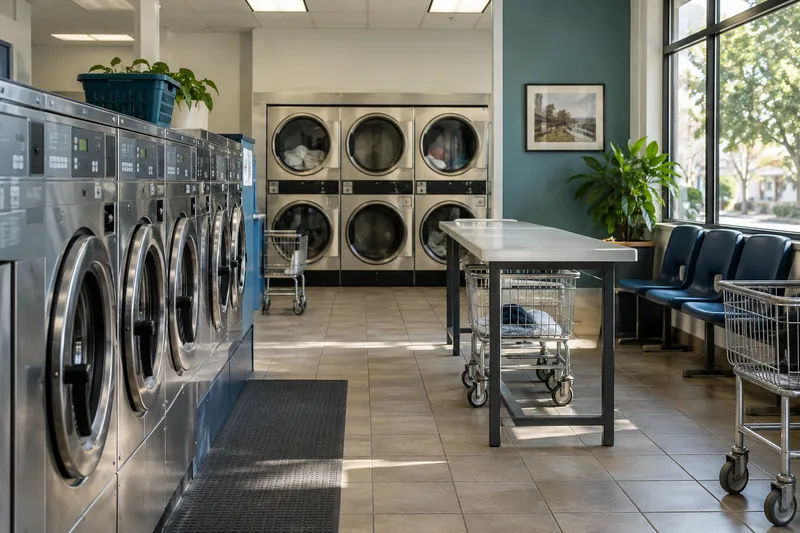
Investing in a laundromat can be an excellent way to build wealth and generate passive income. This guide will walk you through everything you need to know as a first-time buyer.
Why Invest in a Laundromat?
Laundromats offer several advantages that make them attractive investments:
- Request a staged diligence package after confidentiality terms are agreed. Start with records that establish financial plausibility and premises rights, then spend on specialist inspections after the basics are supportable. Keep a written list of unanswered questions so enthusiasm does not become an assumption in the purchase model.
- Cash-based business: Steady, predictable income
- Low labor costs: Minimal staffing requirements
- Scalable: Easy to expand with additional locations
- Tangible assets: Real estate and equipment hold value
For a comprehensive analysis of whether a laundromat is a smart investment in 2026 — including the real risks and Illinois-specific market conditions — read our in-depth guide: Is buying a laundromat a good investment in 2026?
Step 1: Determine Your Budget
Before starting your search, understand your financial position:
- How much cash do you have for a down payment?
- What's your credit score?
- How much can you afford in monthly payments?
- Do you have reserves for unexpected expenses?
Use an equipment-level inventory, service history and installed-cost quotes to evaluate the proposal. Track the effect on availability, repair response and customer use rather than assuming a standard revenue lift or repair saving. Retain evidence of the results a buyer will actually inherit.
Step 2: Understand Financing Options
Several financing options are available for laundromat purchases:
SBA Loans
Small Business Administration loans are popular for laundromat purchases. They offer:
- For an SBA-backed acquisition, confirm the current program rules and the lender’s written conditions for this borrower and transaction. The individual loan maximum, combined borrowing policy, required equity and treatment of seller debt are distinct questions. A lender must approve the complete uses-of-funds and repayment structure.
- Longer repayment terms (up to 10 years)
- Competitive interest rates
Conventional Bank Loans
Traditional bank loans may offer better rates but typically require:
- Strong credit history
- Business experience
Seller Financing
Step 3: Find the Right Location
Location is critical for laundromat success. Consider:
- Demographics: Look for areas with renters, apartment buildings, and lower-income households
- Visibility: Easy to see from the street
- Parking: Adequate parking for customers
- Competition: Limited nearby competition
- Safety: Safe neighborhood with good lighting
Step 4: Conduct Due Diligence
Before making an offer, thoroughly investigate the business. For a complete step-by-step due diligence framework specific to 2026 Illinois transactions, see our laundromat due diligence guide — it covers every financial document to request, equipment inspection standards, and lease clause review.
Financial Review
- Review at least 3 years of tax returns
- Examine utility bills (water, gas, electric)
- Verify revenue through water usage analysis
- Check for any outstanding debts or liens
The financial review is where first-time buyers most often go wrong. Because a laundromat is a cash business, you must never accept a revenue figure you can't independently confirm. Two guides are essential here: how to spot inflated or fake laundromat revenue, and the water bill test — a method for estimating a store's real wash revenue from its metered water usage, the one number a seller can't fake.
Equipment Inspection
- Age and condition of all equipment
- Maintenance records
- Remaining useful life
- Replacement costs
Lease Review
- Lease terms and remaining duration
- Renewal options
- Rent increases
- Any restrictions or requirements
Step 5: Make an Offer
Work with an experienced laundromat broker to:
- Determine fair market value
- Negotiate favorable terms
- Navigate the closing process
Common Mistakes to Avoid
- Skipping due diligence: Always verify financials and equipment condition
- Overpaying: Get a professional valuation before making an offer
- Ignoring location: A cheap laundromat in a bad location is rarely a good deal
- Underestimating expenses: Budget for repairs, upgrades, and working capital
- Going it alone: Work with experienced professionals
Before finalizing your budget, it's worth understanding what a laundromat actually earns in different Illinois markets. Our guide to how much a laundromat makes per month provides realistic gross revenue ranges for Chicago urban, suburban, mid-size city, and small-market facilities — including sample P&L statements for each market type. And because a great store on a bad lease is still a bad deal, study the rent-to-revenue ratio before you sign anything.
Frequently Asked Questions
How much money do you need to buy a laundromat in Illinois?
Is buying a laundromat a good first business?
Should a first-time buyer use a laundromat broker?
For a first purchase it's especially valuable. A specialist broker helps you find stores (including off-market ones), verify revenue, value the business, review the lease, and structure financing — the areas where inexperienced buyers most often overpay. Buyer representation is frequently provided at no direct cost, since the seller's commission covers both sides.
What is the biggest mistake first-time laundromat buyers make?
Paying for revenue they haven't independently verified. Because laundromats are cash businesses priced as a multiple of earnings, accepting an unproven income claim is the fastest way to overpay by tens of thousands. Verifying revenue against tax returns, bank deposits, and water usage is the single most important step you can take.
Ready to Start Your Search?
Illinois Laundry Broker can help you find the perfect laundromat investment. We have access to listings throughout Illinois and can guide you through every step of the process.
Browse Available ListingsChoose an operating role before choosing a store
Request a staged diligence package after confidentiality terms are agreed. Start with records that establish financial plausibility and premises rights, then spend on specialist inspections after the basics are supportable. Keep a written list of unanswered questions so enthusiasm does not become an assumption in the purchase model.
Use a staged first-purchase decision
Before you spend on specialist reports
Confirm the legal seller, the right to transfer the premises and the basic financial support. Ask the lender what would be needed to consider this transaction. If those foundations are missing, identify what evidence would resolve them before paying for extensive inspections.
Before contingencies expire
Bring the findings together in a revised budget. Include required equipment work, landlord conditions, opening liquidity and your replacement staffing plan. A favorable inspection in one area does not offset an unresolved issue that prevents the whole transaction from working.
Before the first operating day
List each system you need to control: payment accounts, utilities, insurance, keys, codes, vendor contacts, employee responsibilities and refund processes. Confirm who can authorize each transfer and which arrangements need a new application or contract.
Sources and review notes
Reviewed October 15, 2026. Primary references support the specific topics below. Practical checklists and explicitly labeled scenarios are our editorial analysis, not reported market outcomes.
- SBA: 7(a) loan program
Program purposes, eligibility and the individual 7(a) loan maximum. - IRS: Publication 334, tax guide for small business
Business recordkeeping, income and expense treatment; owner distributions are not automatically an expense add-back. - BizBuySell: reported sold laundromat valuation benchmarks, 2021–2025
National reported transactions; asking and sold figures are separate. These are historical category benchmarks, not Illinois-specific comparable sales.
Use this material to prepare questions and documents. A specific transaction needs its own legal, tax, lending and equipment review.
Thinking about selling your laundromat?
Start with a private conversation about your records, lease, equipment and timing. You do not need to have a price in mind.
Discuss your next step